Why Lunch Independence is a Win for Your Child’s Big Emotions!🍎
Fostering self-sufficiency skills for a smoother lunch routine
School Success Tools
2/4/20261 min read
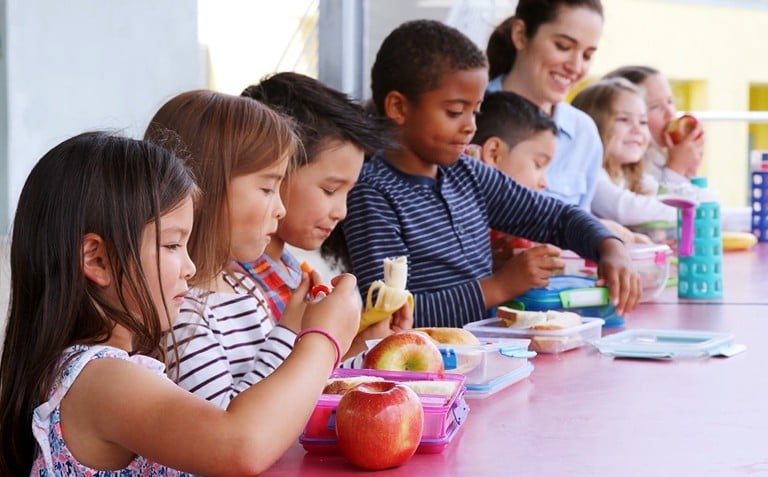
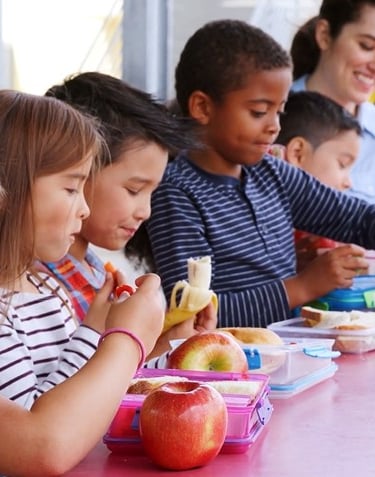
Let’s talk about school lunch.
It’s a bustling, loud, and high-energy time where 20 to 25 hungry children gather with just one teacher and about 20 to 30 minutes to eat. For a child, this environment is already a lot to process—and it's where emotional regulation meets reality.
When a child can’t open their own snacks, put a straw in their Capri Sun, or peel an orange, it doesn’t just slow down their meal; it triggers a cycle of frustration.
The Connection Between Independence and Emotions:
Reducing "Hangry" Meltdowns: When a child has to wait for help in a room of 25 students, their hunger grows alongside their frustration. Being self-sufficient means they can start eating immediately, keeping their blood sugar—and their mood—stable.
Building Confidence, Not Stress: Walking into a busy cafeteria and feeling "capable" prevents the anxiety that comes from feeling "stuck." Instead of feeling helpless or overwhelmed, they feel in control of their environment.
Developing Resilience: Mastering the tricky Capri Sun straw or the orange peel at home is a low-stakes way to practice "the struggle." When they face a difficult lid at school, they’ll have the "I can try again" mindset rather than a "shut down" response.
How to Practice at Home:
The Drink Pouch Challenge: Have them practice inserting the straw without a "juice volcano." According to Parenting Science, mastering small physical tasks is a foundation for broader self-regulation.
Orange You Glad?: Practice peeling together! If they get frustrated, use it as a moment to breathe and try a new angle.
The "Practice Picnic": This weekend, pack their school lunch exactly as it will be at school. Set a timer and let them navigate it solo.
Teaching children to be self-sufficient gives them the tools to stay calm and focus.